Emergency Blown In Insulation Near Me: What Fountain Valley Homeowners Should Do First
Most homeowners assume insulation is a set-it-and-forget-it material. The surprising truth: blown-in insulation settles over time, and in Fountain Valley’s coastal climate, humidity cycles can compress it faster than you’d expect. If you’re searching “emergency blown in insulation near me” in Fountain Valley, you’re likely dealing with sudden temperature swings, a pest invasion, or water damage that just exposed your attic. Here’s what to do first.
Short answer: Before calling anyone, check for water intrusion or pest activity in the attic, take photos of the affected area, and stop using the space if you see exposed wiring or wet insulation. If the issue is sudden heat gain, failed insulation, or visible compression, call a specialist who carries multiple material options, not just whatever’s on the truck. If you’d rather skip the inspection and get a pro out now, call Fountain Valley Insulation at (833) 390-3099 for a free estimate.
What Counts as an Insulation “Emergency” in Fountain Valley
Not every insulation issue is an emergency. But in Fountain Valley, where summer temperatures regularly climb into the 90s and marine layer humidity sits above 70% many mornings, certain problems demand same-week attention. Here’s what we tell homeowners to treat as urgent:
- Water intrusion: A roof leak, HVAC condensate overflow, or plumbing issue that soaks blown-in fiberglass or cellulose. Wet insulation loses its R-value fast and invites mold.
- Rodent or pest activity: Rats and mice tunnel through blown-in insulation, compressing it and contaminating large areas with droppings. This isn’t a spot-repair job.
- Sudden temperature spikes in living spaces: If a room that was comfortable last summer is now 10 degrees hotter, something changed. Often it’s settled insulation or a gap that opened up.
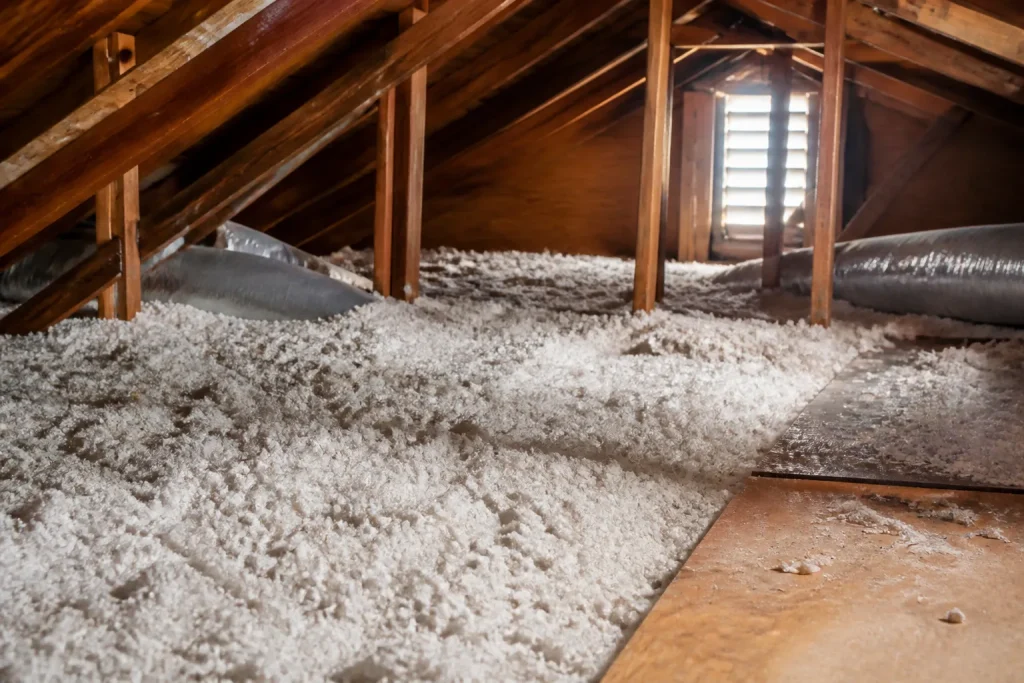
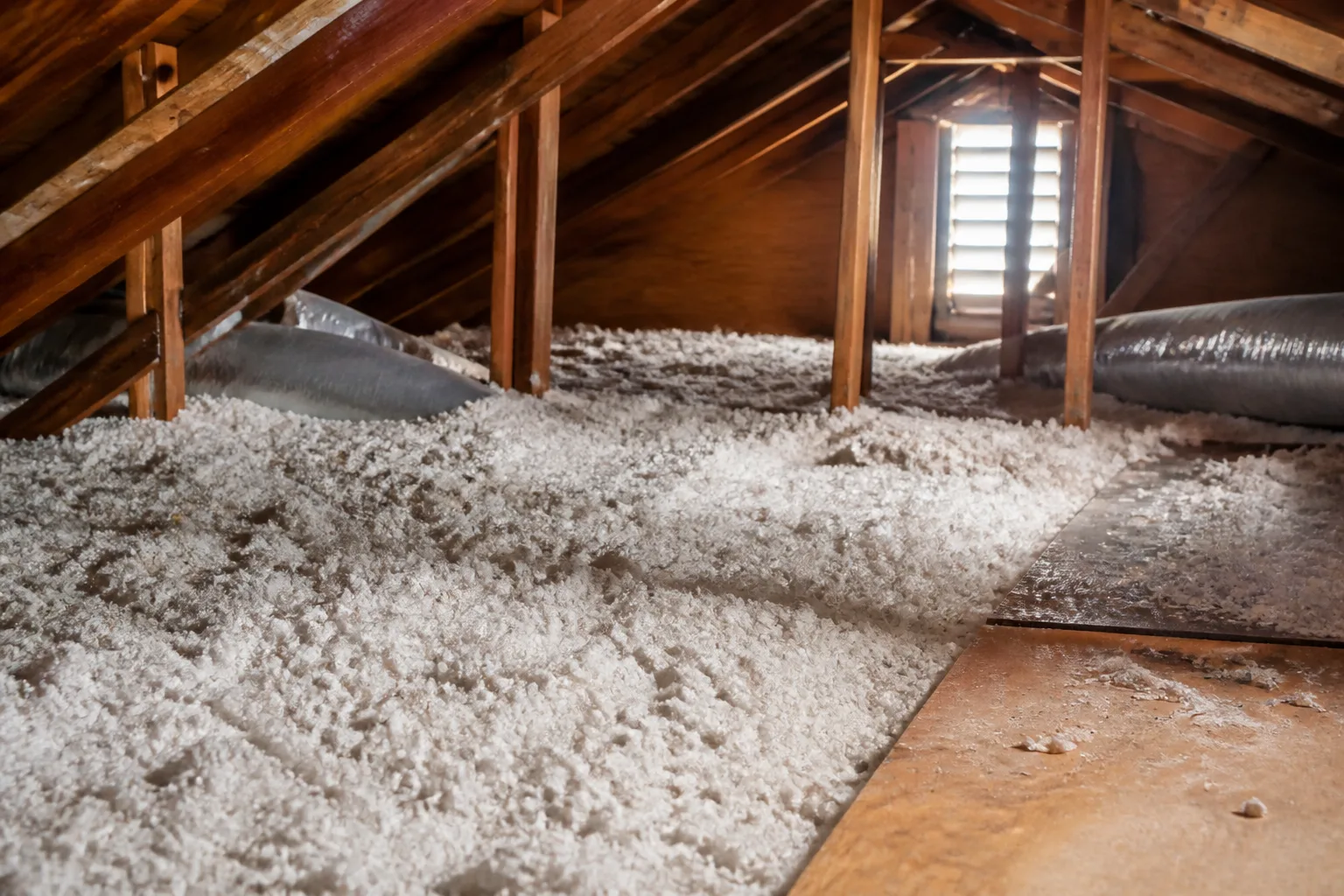
- Visible compression or settling: Blown-in insulation naturally settles over the first few years. But if you’ve been in the home 10+ years and haven’t topped it up, you may have lost 20-30% of your R-value.
- Post-renovation exposure: Contractors removing drywall or running new electrical often disturb insulation. If work just finished and your energy bill spiked, that’s the likely culprit.
One thing we regularly see in Fountain Valley homes built in the 1970s and 80s: original blown-in insulation that’s compressed to half its installed depth. Homeowners don’t notice until the first heat wave, and then it’s an emergency because the AC can’t keep up. If you’re unsure whether your situation qualifies, call us. We’ll tell you straight whether it’s urgent or can wait.
7 Steps to Take Before You Call Anyone
When homeowners find us through an “emergency blown in insulation near me” search, they’ve usually already tried one or two DIY fixes. Here’s the sequence we recommend, in order:
- Identify the trigger. Is it water? Pests? A renovation? High energy bills with no obvious cause? The fix differs for each.
- Stay out of the attic if you see exposed wiring, wet insulation, or animal droppings. All three carry real health or safety risks.
- Take photos. Wide shots of the attic floor, close-ups of any damage. This helps any contractor give you a faster, more accurate phone estimate.
- Check your HVAC filter and vents. Sometimes the “insulation problem” is actually a blocked return vent forcing the system to work harder. Rule that out first.
- Note which rooms are affected. One hot room usually means a localized gap. The whole house running hot points to systemic insulation failure.
- Measure your attic access. If you have a pull-down ladder or scuttle hole, note the rough dimensions. It helps the crew plan equipment.
- Call a specialist who installs multiple insulation types. Not every fix is blown-in. Sometimes the answer is spray foam for a specific gap, or mineral wool for a moisture-prone corner.
The biggest mistake we see? Homeowners calling a one-product contractor who recommends the same material regardless of the actual problem. Fountain Valley Insulation carries eight brands across blown-in, spray foam, and attic insulation methods, so the recommendation matches the issue. That matters more than most people realize.
Why “Emergency” Usually Means Act Fast, Not DIY Fast
Blown-in insulation in a Fountain Valley attic isn’t inherently dangerous to be around. But the situations that create emergencies often are. Here’s what we mean:
- Wet insulation is heavy. A 10×10 section of waterlogged fiberglass can weigh enough to stress drywall ceilings. We’ve pulled soaked insulation out of homes near Mile Square Park where a small roof leak went unnoticed for months. By the time the homeowner noticed the ceiling stain, the insulation had absorbed 40+ pounds of water.
- Pest-contaminated insulation is a respiratory hazard. Rodent droppings carry hantavirus and other pathogens. Disturbing contaminated material without proper PPE is a risk no homeowner should take.
- Exposed wiring near insulation is a fire risk. If old knob-and-tube wiring or damaged Romex sits under blown-in insulation, you need a professional assessment before any material gets added or removed.
- Attic heat itself is dangerous. In August, a Fountain Valley attic can hit 130 degrees. Working up there without ventilation and proper hydration is a recipe for heat exhaustion.
None of this is meant to scare you. It’s meant to save you from a worse problem. If your situation involves water, pests, or wiring, call a pro. The inspection is free with us, and you’ll get a straight answer about what’s actually needed. If you need blown-in insulation in Fountain Valley, you can learn more about our blown-in process here.
What Materials Do We Reach For in an Emergency?
One advantage of being a multi-brand installer is that we’re not forced to sell you one thing. Here’s how we typically think through emergency scenarios:
For water-damaged attics
We remove the wet material, address the source of the water, and then decide on replacement. Often we’ll recommend GreenFiber blown-in cellulose, which is treated for fire resistance and made from recycled content. It’s a sensible choice for Fountain Valley homeowners who want performance without unnecessary environmental impact. If the area is prone to repeat moisture, we may suggest Rockwool (mineral wool) for its moisture resistance, though that’s installed as batts rather than blown-in.
For pest-damaged insulation
After removal and sanitizing, we typically install fresh blown-in fiberglass or cellulose. We also recommend sealing entry points, which is the real long-term fix. New insulation in an unsealed attic will just get re-infested.
For settling and compression
This is where blown-in really shines. We can top up existing insulation quickly and cost-effectively. Brands we regularly install include Owens Corning and Johns Manville blown-in fiberglass. Both offer reliable R-value retention and excellent coverage.
For specific gaps and air leaks
Blown-in insulation handles the broad coverage, but gaps around plumbing vents, recessed lights, and chimneys often need a different approach. Here’s where Icynene or Demilec spray foam comes in. These two brands represent the spray foam category at Fountain Valley Insulation, and they’re the right tool for sealing small, hard-to-reach air leaks before blowing in the bulk material. Most general contractors don’t carry either on their truck.
The point: an insulation emergency rarely has a one-size-fits-all answer. You need someone who can say, “Here’s the right material for this specific problem,” not someone who sells one product and calls it a day. We match the material to your home, not the other way around.
How Much Does Emergency Blown-In Insulation Cost in Fountain Valley?
Pricing depends on the scope of the problem, but here’s what Fountain Valley homeowners can generally expect as of 2026:
| Service | Typical Range |
|---|---|
| Attic inspection (with photos and recommendations) | Free with most contractors, including us |
| Spot repair (small section, no contamination) | $200 – $450 |
| Top-up blown-in insulation (existing attic, 1,000 sq ft) | $800 – $1,400 |
| Full removal and replacement (water or pest damage) | $2,000 – $4,500 depending on attic size and accessibility |
| Air sealing plus blown-in insulation (combined job) | $1,800 – $3,200 |
These ranges reflect what we’ve seen across Fountain Valley, including homes in Green Valley, Westmont, and near the Santa Ana River. Two factors move the needle most: attic accessibility and whether removal is required. Removal is always more expensive than a top-up, but sometimes it’s the only correct option. Cut that corner and you’ll pay more later.
If you’re weighing repair vs. full replacement, the right answer depends on what caused the problem. A small isolated gap? Repair it. Years of settling across the whole attic? Top it up. Water damage or rodent activity? Remove and replace, no question. We’ll walk you through the actual economics of each option, not just push the bigger sale. For a broader look at how attic conditions affect your whole home, see our guide on attic insulation in Fountain Valley.
When to Call a Pro
If any of these apply, stop Googling and start dialing:
- You see water stains on the ceiling below the attic
- You hear scratching, scurrying, or rodent noises in the attic
- You notice a burning smell near ceiling fixtures or in the attic
- Your energy bill jumped 30%+ in one month with no other explanation
- You can feel hot air pouring from the attic access point
We pulled one out of a garage-turned-living-space over in the Westmont area last week where the homeowner had been fighting 85-degree indoor temps all summer. The culprit was a 6-foot section of blown-in insulation that had been pushed aside during a past remodel and never restored. That fix took us about 90 minutes. But finding it required knowing where to look, and the homeowner had spent three months running a portable AC unit instead. Sometimes the emergency is quieter than you think.
The Bottom Line
An insulation emergency in Fountain Valley usually means one of three things: water, pests, or settling. The first step is always diagnosis, not replacement. Take photos, rule out HVAC issues, and call a specialist who carries more than one material option. The wrong insulation installed in the wrong spot is just money up the attic stairs.
Fountain Valley Insulation installs blown-in insulation, attic insulation, and spray foam across Fountain Valley. We work with eight manufacturer brands, including Icynene, Demilec, GreenFiber, and Owens Corning, so the fix matches the problem. If you’re in Fountain Valley and need help, we offer free estimates. Call (833) 390-3099 and we’ll give you a straight answer about what’s actually going on up there.
Frequently Asked Questions
In most cases, we can schedule an inspection within 1 – 2 business days, and for active water intrusion or pest contamination, we prioritize same-week visits. Call (833) 390-3099 and describe the situation, and we’ll give you a realistic timeline on the spot.
Repair is cheaper for localized damage, usually $200 – $450. Replacement is the better call when the damage covers more than 25% of the attic or involves contamination from water or pests. We’ll show you the numbers for both before you decide. Estimates are free.
Sometimes, yes. If the existing insulation is dry, pest-free, and not compressed, topping up is a quick and cost-effective fix. If there’s moisture, rodent activity, or the old material is compacted, adding on top traps the problem. A quick attic inspection tells us which situation you have.
Blown-in insulation handles broad coverage across an attic floor, while spray foam is better for sealing gaps, rim joists, and hard-to-reach corners. Many emergency jobs use both: spray foam for the leak points, blown-in for the bulk. We install both, including Icynene and Demilec spray foam, so you’re not forced into one method. Call (833) 390-3099 for an exact recommendation.
Written by the team at Fountain Valley Insulation, serving Fountain Valley since 2014.
Need Insulation Help?
Call Fountain Valley Insulation — licensed & insured, here with fast after-hours help in Fountain Valley.
(833) 390-3099