Insulation Company in Culver City, CA
Fountain Valley Insulation installs blown-in insulation across Culver City, and the jobs here have a distinct character shaped by the Westside marine layer and a housing stock that runs from 1920s bungalows near downtown to mid-century tracts east of the 405. Most Culver City homes were built before modern energy codes, which means thin attic coverage, empty wall cavities, and insulation that was never designed for the way coastal moisture and afternoon heat move through these structures. We match the material to your home, not the other way around. Call (833) 390-3099 for a free estimate.
Why Culver City Homes Are Different
Culver City sits close enough to the coast that the marine layer rolls in most evenings, keeping mornings cool even in July and August. That sounds pleasant, and it is, but it creates a specific insulation problem: condensation. When warm interior air meets a cool exterior wall or attic surface, moisture collects. In an older home with no wall insulation and a shallow attic, that moisture gets trapped. Blown-in insulation that is installed without proper ventilation and vapor consideration can make the problem worse, not better.
The housing stock compounds this. Homes near downtown Culver City, especially in the 90230 and 90232 ZIP codes, are largely 1920s to 1940s bungalows. Many still have original construction with empty wall cavities and knob-and-tube-era wiring considerations. East of the 405 in Fox Hills and surrounding neighborhoods, post-war tract homes were built fast, with minimal attic insulation and single-pane windows. Newer infill multifamily along Sepulveda and Washington often meets modern code, but the units around them do not. What most Culver City homes share is this: the insulation decisions made when they were built did not anticipate Title 24 standards, heat spikes that push south- and west-facing walls into the 90s, or the cost of running air conditioning against a leaking thermal envelope.
Our Main Culver City Services
Insulation work in Culver City tends to concentrate in two areas: attic insulation, which delivers the fastest comfort and energy improvement for most homes, and spray foam insulation, which solves air-sealing problems that older construction cannot address with fiber alone. Here is how each works in Culver City specifically.
Attic Insulation in Culver City
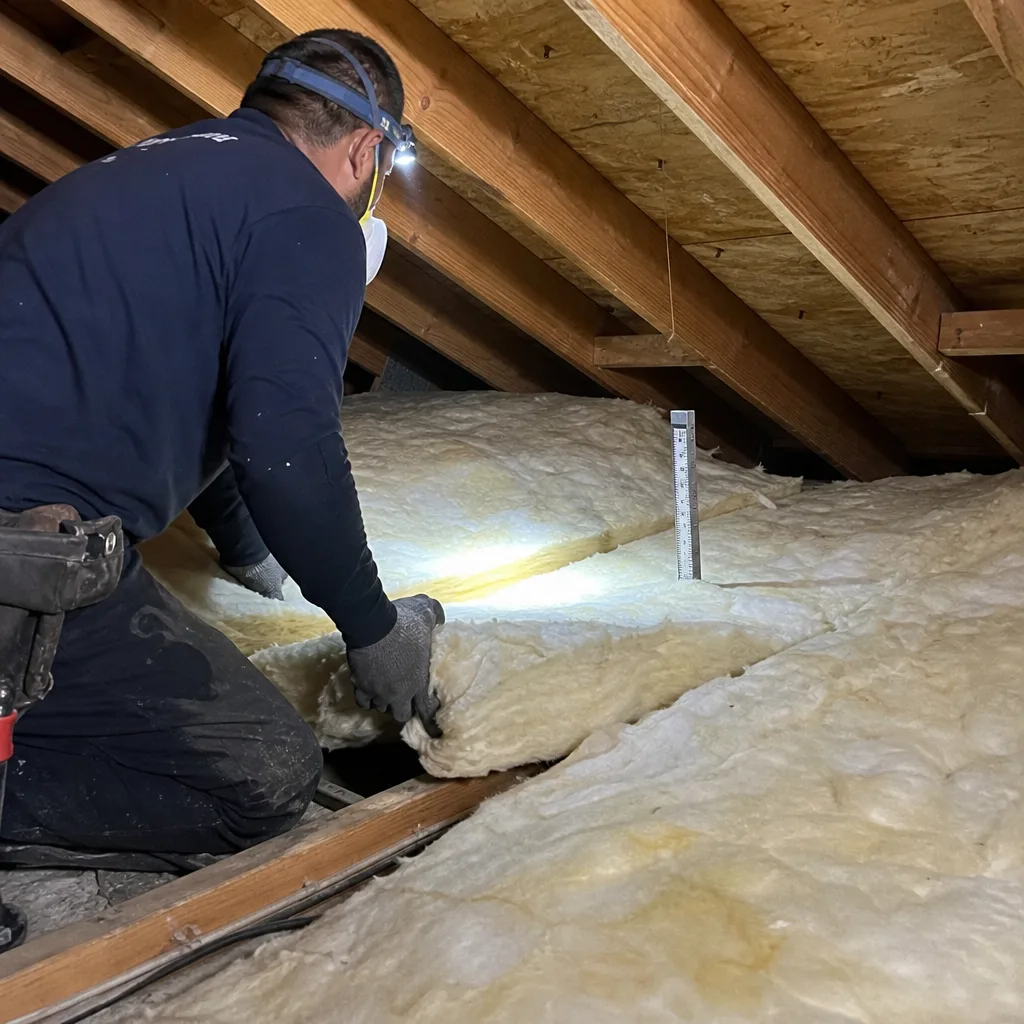
Most Culver City attics are shallow and under-insulated, particularly in the mid-century ranch and bungalow stock that dominates the city. A typical attic here has a few inches of settled fiberglass or nothing at all, letting heat pour down through ceilings in summer and escape on cool marine-layer nights. We assess your existing coverage, air-seal ceiling penetrations, and install blown-in material to the depth that matches Culver City’s climate zone and your home’s construction. In older homes, we check ventilation before adding insulation, because trapping marine moisture in an attic is a faster route to mold than most homeowners realize. Learn more at Attic Insulation in Culver City.
Spray Foam Insulation in Culver City
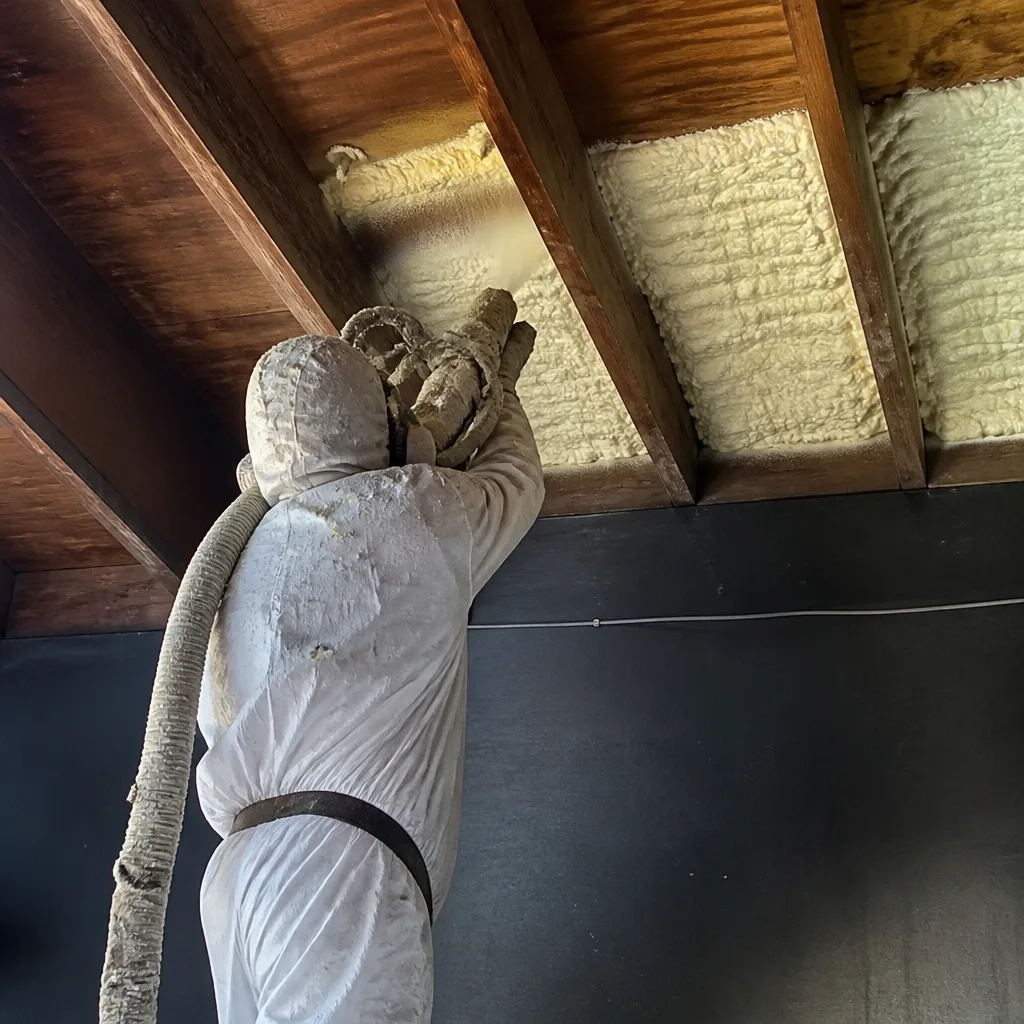
Culver City’s older bungalows and post-war tracts have air leakage everywhere: around rim joists, through wall top plates, and around windows that predate modern sealing. Fiber insulation slows heat transfer, but it does not stop air movement. Spray foam does both. We install open-cell and closed-cell foam from Icynene and Demilec, two of the most respected names in the category. Closed-cell foam is especially useful in Culver City crawl spaces and shallow attics where moisture control matters and space is tight. Open-cell works well for wall cavities in mid-century homes where the priority is air sealing and sound attenuation. See Spray Foam Insulation in Culver City for the full breakdown.
What happens when you call
- 1
A real person answersNo phone trees — you reach a local pro.
- 2
You get an upfront price rangeHonest numbers before anyone is dispatched.
- 3
A background-checked tech heads outLicensed & insured, dispatched right away.
- 4
You approve before work beginsNothing starts until you say go.
Blown In Insulation in Culver City
Blown-in insulation is the workhorse solution for Culver City homes because it adapts to the awkward spaces that dominate local construction. Shallow attics, irregular joist spacing, and empty wall cavities in older bungalows all respond well to blown-in material, which fills gaps and settles into odd shapes that batt insulation cannot reach. When we install Blown In Insulation in Culver City, we are usually retrofitting a home that was built without adequate coverage, and the difference in evening comfort is immediate. The marine layer keeps nights cool, and an under-insulated home loses that indoor warmth through the ceiling by 10pm.
Cellulose Insulation
Signs you need it
Your attic has less than six inches of existing insulation, or rooms directly below the attic feel cold by 9pm even when the heat is running.
What it costs in Culver City
Blown-in cellulose insulation in Culver City typically runs $1.15 to $2.10 per square foot installed, depending on the depth and whether we are working around existing material.
How we do it
We air-seal ceiling penetrations, install baffles at soffit vents to protect airflow, and blow cellulose to the target R-value depth with a calibrated machine.
Blown In Attic Insulation
Signs you need it
Upstairs rooms overheat on warm afternoons in Fox Hills and east-side tracts, or your energy bills spike in August when south-facing walls absorb heat all day.
What it costs in Culver City
Attic-only blown-in insulation in Culver City generally runs $1,050 to $2,700 for a typical 1,000 to 1,500 square foot attic, depending on the material and target depth.
How we do it
We measure existing insulation, remove or treat any moisture-damaged areas, seal penetrations, and blow new material to the depth that matches Culver City’s heat profile.
What Blown In Insulation Costs in Culver City
| Item | Typical range in Culver City |
|---|---|
| Blown-in cellulose (attic, R-30) | $1.15 – $2.10 per sq ft |
| Blown-in fiberglass (attic, R-30) | $0.90 – $1.80 per sq ft |
| Dense-pack wall retrofit (per wall cavity) | $2.50 – $4.75 per sq ft of wall |
Is blown-in insulation worth it for an older Culver City bungalow?
Yes, usually. An uninsulated attic in a 1920s or 1930s bungalow loses a substantial share of conditioned air through the ceiling, and blown-in material can be installed in one day without opening walls. Call (833) 390-3099 for an attic assessment and exact quote.
Can you install blown-in insulation without removing my old insulation?
In most cases, yes. We inspect the existing material first for moisture or rodent damage, then blow new insulation on top if it is in sound shape. Call (833) 390-3099 to schedule an inspection.
Brands We Service in Culver City
We carry and install insulation from Rockwool, CertainTeed, Icynene, and Demilec, among others. That means we can offer mineral wool where fire resistance matters, open- and closed-cell foam where air sealing is the priority, and fiber options where budget drives the decision. See our brands for the full lineup.
Pricing for Insulation Company in Culver City, CA
| Service | Typical range in Culver City |
|---|---|
| Blown-in attic insulation (fiberglass) | $0.90 – $1.80 per sq ft |
| Blown-in attic insulation (cellulose) | $1.15 – $2.10 per sq ft |
| Dense-pack wall retrofit | $2.50 – $4.75 per sq ft of wall |
| Spray foam insulation (open-cell) | $1.20 – $2.75 per board foot |
| Spray foam insulation (closed-cell) | $2.00 – $4.25 per board foot |
| Attic air sealing (no insulation) | $450 – $1,200 |
| Attic insulation removal | $1.50 – $3.50 per sq ft |
| Mineral wool batt installation | $2.50 – $5.00 per sq ft |
What pushes price up in Culver City is usually access and condition: shallow attics with tight clearance, existing insulation that needs removal, or older homes with knob-and-tube wiring that requires careful treatment around electrical. We quote upfront, and the price we give is the price you pay. No add-ons after the fact.
Neighborhoods We Serve in Culver City
We work throughout Culver City, from the tree-lined streets north of downtown to the residential blocks east of the 405. Typical response time for an estimate in the area is 24 to 48 hours.
- Downtown Culver City
- Fox Hills
- Blanco-Culver Crest
- Carlson Park
- Clarkdale
Service Area – Cities Near Culver City
Fountain Valley Insulation serves Culver City and the surrounding Westside communities. If you are in Ladera Heights, CA, Century City, CA, Venice, CA, or Beverly Hills, CA, we can schedule an estimate for attic insulation, spray foam, or blown-in work. Call (833) 390-3099 to confirm service in your neighborhood.
Serving Culver City, CA — Our Local Coverage Area
We’re based in the Culver City area and know this community well. Use the map below to see our service coverage — if you’re nearby, we can almost certainly help.
FAQs About Insulation Company in Culver City
We typically schedule estimates in Culver City within 24 to 48 hours, and depending on the scope, installation can often be completed the same week. Call (833) 390-3099 for current scheduling.
Most attic and wall insulation retrofits in Culver City do not require a city permit, though certain spray foam applications or structural changes may. We can advise you on your specific situation before work begins.
We serve all Culver City ZIP codes: 90230, 90231, 90232, and 90233. Our phone line is (833) 390-3099 for a free estimate anywhere in the city.
Ready to talk about your Culver City insulation project? Call Fountain Valley Insulation at (833) 390-3099 for a free, no-pressure estimate. We will tell you which material and method actually fits your home.
What happens when you call
- 1A real person answersNo phone trees — talk to a local insulation pro.
- 2You get an upfront price rangeHonest numbers before anyone is dispatched. No surprises.
- 3A background-checked tech heads outLicensed & insured, typically within the hour.
- 4You approve before work beginsNothing starts until you say go.
What Culver City Customers Say
"Installed baffles at the soffits so the new insulation didn't block the ventilation, which the previous contractor apparently never considered."
— Hector Vargas"Plastic laid from the front door to the attic hatch and they vacuumed the hallway afterward."
— David Tran"Attic was at maybe R-11 from the 1970s and blown in over the top would have just buried the problem. They removed the old material, air sealed the top plates and penetrations first, then blew in to R-49. The upstairs is a completely different house in August."
— Justin Chen