
Insulation Company in Spring Valley Lake, CA
Blown in insulation solves a problem most Spring Valley Lake homeowners feel daily: rooms that bake in July and never quite warm up on January nights. Many houses here went up between the late 1960s and 1990s with minimal insulation, built as weekend lake getaways rather than full-time homes. Fountain Valley Insulation matches the material to your home, not the other way around. Call (833) 390-3099 for a free estimate on blown in, attic, or spray foam work in Spring Valley Lake.
Why Spring Valley Lake Homes Are Different
Spring Valley Lake sits in the high desert, where summer highs routinely pass 100°F and winter nights frequently drop below freezing. That temperature swing, sometimes 40 degrees in a single day, punishes under-insulated attics and walls. Original insulation in these homes is often thin fiberglass batts that have settled or been disturbed over decades. Attics are typically vented but far below modern R-value standards, which means heat pours in during the afternoon and escapes the moment the sun goes down in winter.
The community adds another layer: Spring Valley Lake is an HOA-governed private lake community. Exterior insulation projects, including certain venting changes or visible modifications, often require architectural approval before work begins. We help homeowners understand what needs committee sign-off and what does not, so the project moves without surprises. Homes on the lake side present their own challenge. Cathedral ceilings and exposed beams limit attic insulation depth, which pushes us toward creative solutions like rigid foam boards or blown in insulation tucked behind knee walls. Your attic is one of the highest-impact areas in your home, and one of the most overlooked.
Our Main Spring Valley Lake Services
Spring Valley Lake homeowners call us most about two things: upgrading attic insulation in aging desert homes and sealing the envelope with spray foam where air leaks are the real culprit. Each service has its own dedicated page with full details on pricing and process.
Attic Insulation in Spring Valley Lake
Most attics in Spring Valley Lake were insulated to 1970s and 1980s code minimums, which means R-19 or less in a climate that now demands R-38 to R-60. Blown in fiberglass or cellulose brings those attics up to standard in a single day, and radiant barriers make a measurable difference against the intense high desert sun. We assess your current attic condition, check for settling and gaps, and recommend a material that fits your home’s construction. Full details are on our Attic Insulation in Spring Valley Lake page.
Spray Foam Insulation in Spring Valley Lake
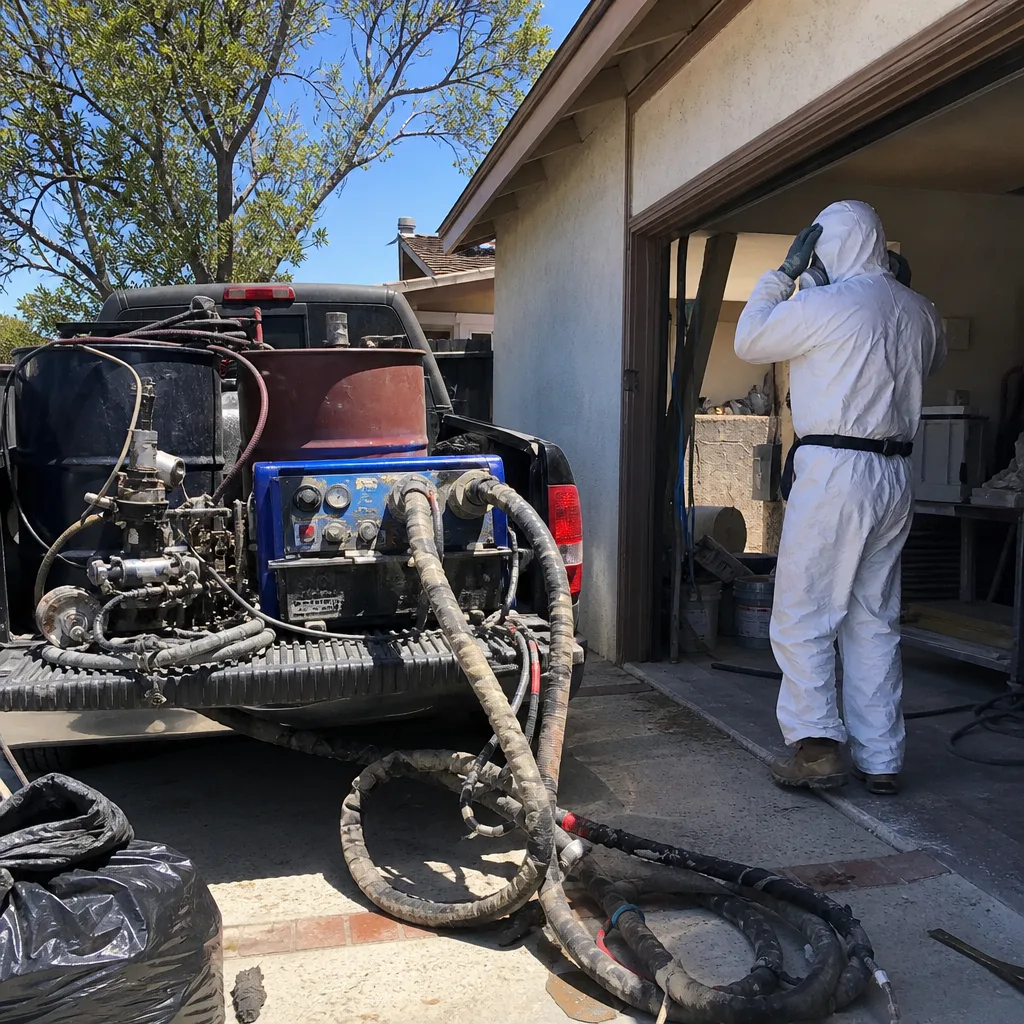
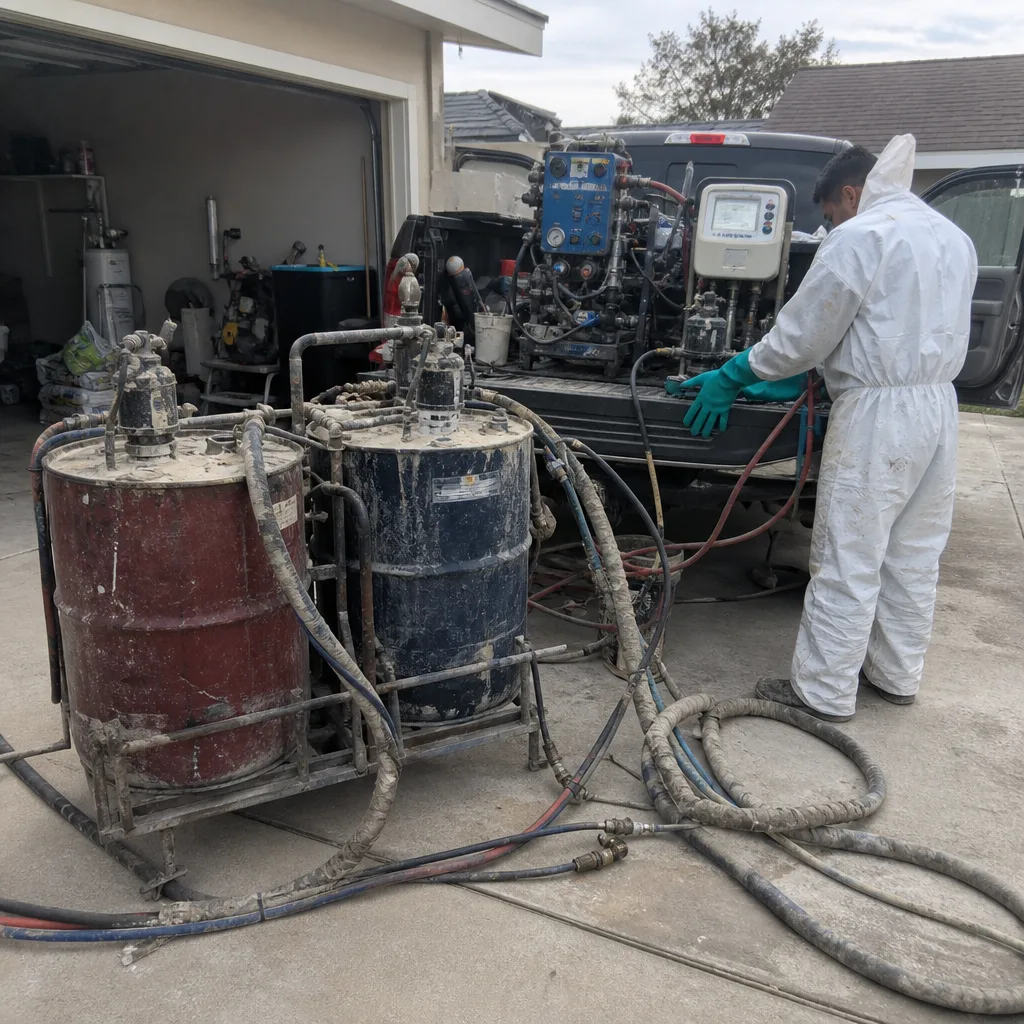
For Spring Valley Lake homes with cathedral ceilings, exposed beams, or rooms that never hold temperature, spray foam is often the strongest answer. Closed-cell foam adds structural rigidity and air sealing in one pass, which matters when attic depth is limited. Open-cell foam works well for sound control and interior walls. We install both through Icynene and Demilec, two brands most general insulation contractors in the area do not carry. See the full breakdown on our Spray Foam Insulation in Spring Valley Lake page.
What happens when you call
- 1
A real person answersNo phone trees — you reach a local pro.
- 2
You get an upfront price rangeHonest numbers before anyone is dispatched.
- 3
A background-checked tech heads outLicensed & insured, dispatched right away.
- 4
You approve before work beginsNothing starts until you say go.
Blown In Insulation in Spring Valley Lake
Blown in insulation is the most common upgrade we install in Spring Valley Lake, because it works with the existing structure rather than against it. Homes built between the late 1960s and the 1990s here typically have thin, settled batts in the attic and hollow wall cavities that let heat move freely. Blown in fiberglass or cellulose fills those gaps completely, conforming around wiring, plumbing, and odd framing that batt insulation leaves exposed. With winter nights dropping below freezing and summer afternoons over 100°F, a properly blown attic is the single highest-impact improvement most Spring Valley Lake homeowners can make. We carry both fiberglass and recycled cellulose options, so the material decision is based on your home’s actual needs. Learn more about the method on our Blown In Insulation page.
Cellulose Insulation
Signs you need it
If rooms above the garage or at the far end of the house run noticeably hotter than the rest of the home, your attic likely has settled or thin insulation.
What it costs in Spring Valley Lake
Cellulose insulation in Spring Valley Lake typically runs $1.20 to $2.60 per square foot, with the high desert’s cold winters pushing most homeowners toward the upper insulation depths.
How we do it
We seal attic bypasses, install baffles to protect soffit vents, then blow dense-packed or loose-fill cellulose to the depth your home’s construction calls for.
Blown In Fiberglass Insulation
Signs you need it
If your attic has bare spots between thin batts, or your energy bills spike every summer and winter, blown in fiberglass fills the gaps batts leave behind.
What it costs in Spring Valley Lake
Blown in fiberglass in Spring Valley Lake typically falls between $1.00 and $2.40 per square foot depending on target R-value and attic accessibility.
How we do it
We prep the attic by air sealing, mark target depth with rulers, then blow loose-fill fiberglass in an even layer across the entire attic floor.
What Blown In Insulation Costs in Spring Valley Lake
| Item | Typical range in Spring Valley Lake |
|---|---|
| Blown in fiberglass (per sq ft) | $1.00 to $2.40 |
| Cellulose insulation (per sq ft) | $1.20 to $2.60 |
| Whole-home blown in project | $1,500 to $3,200 |
How long does blown in insulation last in Spring Valley Lake?
Cellulose and fiberglass both last 20 to 30 years in Spring Valley Lake’s dry climate, though settling may reduce effectiveness after 15 years. An inspection tells you whether topping off is enough or full replacement makes more sense. Call (833) 390-3099 for an attic assessment.
Is blown in insulation enough for Spring Valley Lake summers?
Yes, when installed to R-38 or higher and paired with air sealing, blown in insulation handles Spring Valley Lake’s 100°F summers well. Homes with cathedral ceilings or limited attic depth may need spray foam or rigid board to hit the same performance. We will tell you which one fits.
Brands We Service in Spring Valley Lake
We install Rockwool, CertainTeed, Icynene, and Demilec products across Spring Valley Lake, and we stock the most common materials locally for faster turnaround. That means shorter waits between estimate and install. Ask us why we carry Rockwool, spray foam, and recycled fiber. Most contractors carry none of them. See the full lineup on our brands page.
Pricing for Insulation Company in Spring Valley Lake, CA
| Service | Typical range in Spring Valley Lake |
|---|---|
| Blown in fiberglass (per sq ft) | $1.00 to $2.40 |
| Blown in cellulose (per sq ft) | $1.20 to $2.60 |
| Attic air sealing | $500 to $1,400 |
| Full attic insulation upgrade | $1,800 to $4,000 |
| Radiant barrier installation | $1,100 to $2,200 |
| Knee wall insulation | $700 to $1,800 |
| Whole-home spray foam | $4,500 to $12,000 |
| Whole-home blown in insulation | $1,500 to $3,200 |
Prices in Spring Valley Lake shift with attic accessibility, target R-value, and whether your home has cathedral ceilings that limit insulation depth. Lake side homes with exposed beams often require rigid foam boards or knee wall work, which adds to the total. Every quote we give is upfront, line by line, before any work starts.
Neighborhoods We Serve in Spring Valley Lake
We work throughout Spring Valley Lake and the surrounding 92395 area. Whether your home sits lakeside with cathedral ceilings or tucked into a quieter stretch with standard attic space, our crews know what these houses need. Typical response time for a Spring Valley Lake estimate is within one to two business days.
- Lakeside homes
- North Spring Valley Lake
- South Spring Valley Lake
- East Spring Valley Lake
- Spring Valley Lake Country Club area
Service Area – Cities Near Spring Valley Lake
Fountain Valley Insulation also serves the neighboring high desert communities with the same multi-brand approach. If you are in Victorville, CA, Apple Valley, CA, Hesperia, CA, or Mountain View Acres, CA, we can assess your insulation and recommend the right material for your home’s construction and age.
Serving Spring Valley Lake, CA — Our Local Coverage Area
We’re based in the Spring Valley Lake area and know this community well. Use the map below to see our service coverage — if you’re nearby, we can almost certainly help.
FAQs About Insulation Company in Spring Valley Lake
We typically schedule Spring Valley Lake estimates within one to two business days. Emergency attic or insulation issues, like storm damage or exposed wiring, can often be seen sooner. Call (833) 390-3099 and we will give you a straight answer on timing.
Interior work like attic insulation and blown in wall insulation rarely needs HOA approval. Exterior changes, including visible venting or insulation that changes the roofline, may require architectural committee sign-off. We will flag anything that needs review before you spend a dollar on materials.
Yes. Cathedral ceilings limit attic depth, so we use rigid foam boards, spray foam, or blown in insulation behind knee walls to hit target R-values without altering the exposed beams. Lake side homes in Spring Valley Lake face this more than most, and we plan for it from the first walkthrough.
What happens when you call
- 1A real person answersNo phone trees — talk to a local insulation pro.
- 2You get an upfront price rangeHonest numbers before anyone is dispatched. No surprises.
- 3A background-checked tech heads outLicensed & insured, typically within the hour.
- 4You approve before work beginsNothing starts until you say go.
What Spring Valley Lake Customers Say
"Plastic laid from the front door to the attic hatch and they vacuumed the hallway afterward."
— David Tran"Attic was at maybe R-11 from the 1970s and blown in over the top would have just buried the problem. They removed the old material, air sealed the top plates and penetrations first, then blew in to R-49. The upstairs is a completely different house in August."
— Justin Chen"He did a blower door test before and after and gave me the numbers. I like being able to see the difference rather than being told about it."
— Carmen Reyes