


Fast, Reliable Attic Insulation Across Lomita
Attic insulation in Lomita runs $1,400 to $3,600 for a typical 1,000 to 1,500 square foot single-story tract home, depending on material and whether ventilation work is needed first. Most jobs take four to seven hours, and we can usually get a crew to Lomita within 24 to 48 hours of your call. If you’re tired of rooms that read five degrees different from one another, or you’ve noticed your attic smells musty after coastal overcast days, call us at (833) 390-3099 and we’ll come diagnose it.
We know Lomita’s housing stock well. The late 1940s and 1950s stucco tract homes off Lomita Boulevard, 255th Street, and Western Avenue share a common problem: attics that were barely insulated when they were built, and never properly updated since. The marine layer that rolls in off the Palos Verdes Peninsula keeps these roofs cool and damp most of the year. That moisture, not heat, is what fails insulation here. Our crews work in Lomita regularly, and we understand what this climate does to fiberglass, batt, and ceiling decking over decades.
Call (833) 390-3099 for a free estimate. No pressure, no upsell. We’ll tell you whether you need ventilation, new material, or both.
Why Fountain Valley Insulation Is Lomita’s Preferred Attic Insulation Company
Lomita homeowners call us because we carry materials most local contractors don’t. We install Rockwool mineral wool for the damp coastal conditions off the peninsula, CertainTeed fiberglass for standard attic top-ups, and Icynene and Demilec spray foam when a low-pitch tract roof needs a sealed air barrier. We don’t push one brand. We match the material to your home, not the other way around.
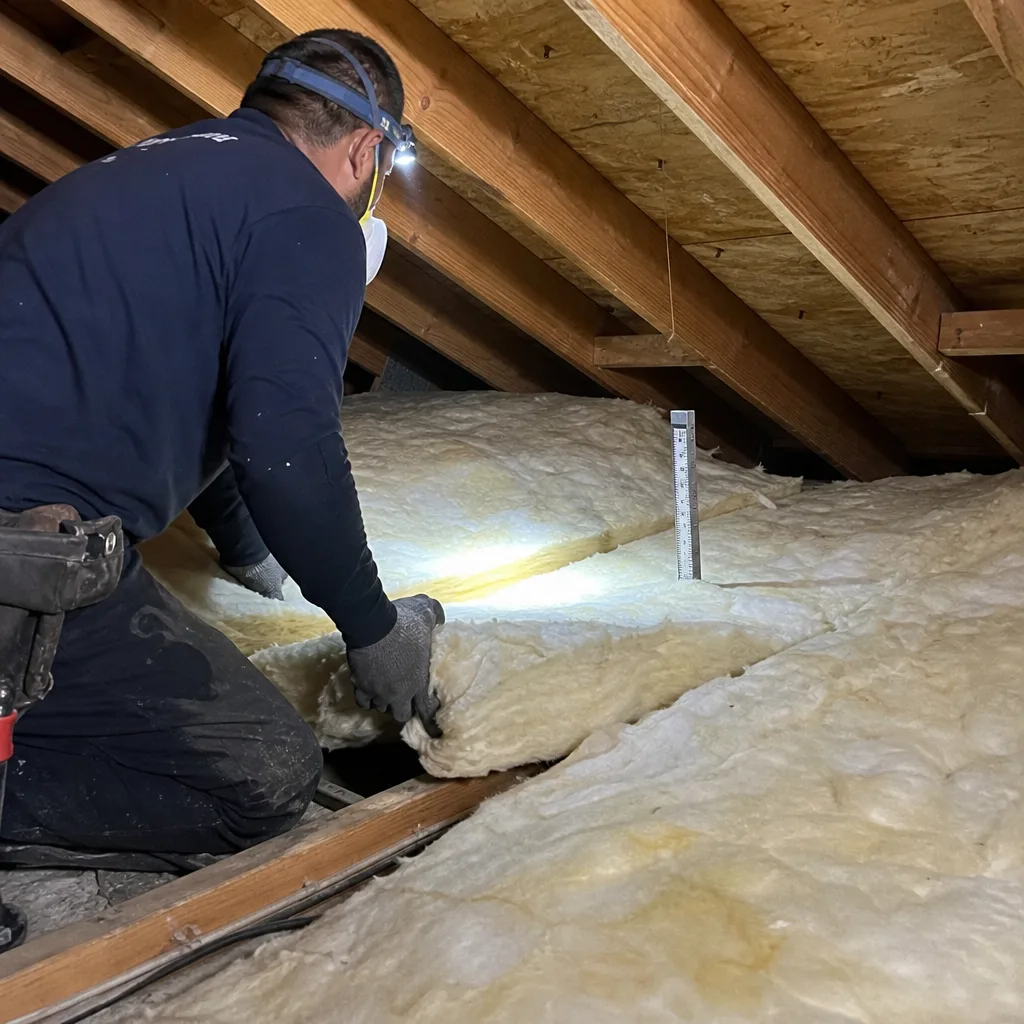
Our crews have spent enough time in 90717 to recognize the failure pattern before we even climb the ladder: compressed, damp 1950s fiberglass under a roof that never got proper ridge and soffit venting. We address that root cause before we blow in anything new. That’s the difference between an insulation company and a specialist who understands Lomita’s coastal attic conditions.
Nate Calloway built Fountain Valley Insulation on a simple principle: carry the right materials, train crews to diagnose before they install, and be straight with homeowners about what their attic actually needs. When you call, you’ll speak with someone who can explain the difference between blown-in cellulose, fiberglass batt, and spray foam without a script. That’s why Lomita homeowners keep calling us back.
Attic Ventilation in Lomita
Attic Ventilation in Lomita is the single most common prerequisite we see for insulation work, because the dense post-war tract roofs sit so close together with minimal eave venting that the marine-layer moisture has nowhere to go. We typically cut ridge vents and pair them with existing or new soffit vents, then confirm airflow before insulation goes in. Most ventilation prep in Lomita runs $400 to $1,100 depending on roof length and how many vents need to be added.
Ridge and Soffit Pairing for Older Tract Roofs
The original soffit vents on Lomita’s low-pitch roofs are often too small or partially painted over from decades of stucco and trim work. We add ridge venting along the peak and ensure soffit intake is unobstructed, creating the pressure difference that pulls damp air out rather than letting it settle into your insulation.
When Moisture Has Already Done Damage
If your attic smells earthy after overcast mornings, or you’ve noticed condensation staining on the decking, ventilation alone won’t fix the insulation that’s already wet and compressed. We’ll remove the damaged material, address the airflow, and install new product only after we’ve confirmed the attic can actually dry out.
Radiant Barrier in Lomita
Radiant Barrier in Lomita is worth considering for a different reason than inland cities: it sheds radiant heat from the roof deck in summer and helps reduce condensation on the underside of the decking during damp coastal months. We install perforated radiant barrier material in Lomita attics for $900 to $2,200 depending on roof surface area. It’s a practical add-on here, not a gimmick.
How It Helps in a Marine-Layer Climate
The perforations let any moisture that does reach the attic pass through rather than trap it against the decking. That’s the important detail for Lomita, where a non-perforated barrier would just become another surface for condensation to collect on. We use the right product for the climate, not what’s cheap.
Pairing a Barrier With New Insulation
This works best when the attic already has or is getting proper ventilation. We’ll install the barrier first, confirm the airflow design, then blow in the insulation. You get the thermal benefit plus a drier attic, which is the combination that matters in a coastal tract home.
Trusted Brands We Service in Lomita
We install and service insulation from eight manufacturers, so we’re not married to one product line. For Lomita’s damp coastal attics, we often recommend Rockwool because of its moisture tolerance and fire resistance. We also carry CertainTeed for fiberglass top-ups, and Icynene and Demilec for sealed spray foam applications on low-pitch roofs. We keep common material stock ready for Lomita jobs, which means faster turnaround when you’re dealing with a wet attic or a renovation timeline. Ask us why we carry Rockwool, spray foam, and recycled fiber. Most contractors carry none of them.
Common Attic Insulation Problems We See in Lomita Homes
- Marine-layer condensation wets and compresses original fiberglass. The R-value collapses even though Lomita never gets hot enough to show the loss on your energy bill. You have a damp, useless layer above your ceiling and you’d never know it without an inspection.
- Tightly packed low-pitch roofs with minimal eave venting trap attic moisture. New insulation gets damp from below if ventilation isn’t addressed first. This is the number one reason we do ventilation prep before blowing in material.
- Thin or missing wall-cavity insulation in older stucco homes. Cool damp coastal air condenses inside the walls and feeds moisture the attic batt can’t fix on its own. We often find wall cavity issues during attic jobs on Lomita’s 1950s tract stock.
- Painted-over or undersized soffit vents from decades of remodel work. The airflow that should carry coastal moisture out never develops. Adding ridge venting without clearing soffit intake does nothing, so we check both on every Lomita job.
Pricing for Attic Insulation in Lomita, CA
Here’s what Lomita homeowners can expect to pay, based on the jobs we’ve completed in 90717:
- Attic insulation top-up (blown-in fiberglass or cellulose): $1,400 to $2,400 for 1,000 to 1,500 square feet.
- Full attic insulation replacement (remove, prep, install): $2,800 to $4,800 depending on access and whether ventilation work is included.
- Attic ventilation prep (ridge and soffit): $400 to $1,100.
- Radiant barrier installation: $900 to $2,200.
- Spray foam attic application: $2,200 to $4,500 for Icynene or Demilec products on typical Lomita attic surfaces.
What changes the price: roof pitch, attic access size, whether old insulation needs removal, and how much ventilation work the space requires. We give free, itemized estimates so you know exactly what you’re paying for. Call (833) 390-3099 and we’ll come out to Lomita, get in the attic, and give you a number.
We Also Serve Cities Near Lomita
Fountain Valley Insulation handles Attic Insulation throughout the South Bay and Harbor Gateway. Beyond Attic Insulation in Lomita, our crews work regularly in Torrance, Rolling Hills Estates, West Carson, and Manhattan Beach. If you’re in a neighboring city and dealing with the same marine-layer attic conditions, give us a call.
Serving Lomita, CA — Our Local Coverage Area
We’re based in the Lomita area and know this community well. Use the map below to see our service coverage — if you’re nearby, we can almost certainly help.
FAQs About Attic Insulation in Lomita
Attic insulation in Lomita fails because the marine layer off the Palos Verdes Peninsula brings cool, damp air into tight, low-pitch attics that don’t have enough venting to dry out. Moisture condenses on the underside of the roof decking and soaks into the insulation below it, compressing the fiberglass and collapsing its R-value. Call (833) 390-3099 and we’ll inspect your attic to see if moisture is the culprit.
In most Lomita tract homes built between the late 1940s and 1960s, yes, you need ridge and soffit ventilation added before new insulation goes in. The original venting is almost always undersized or partially blocked. Without airflow, new insulation gets damp from below within a season or two. We include a ventilation assessment with every free estimate.
We install Rockwool mineral wool for its moisture tolerance and fire resistance, CertainTeed fiberglass for standard top-ups, and Icynene and Demilec spray foam for sealed applications on low-pitch roofs. In Lomita’s damp attics, we lean toward materials that don’t collapse when they see condensation. Call us and we’ll explain which product fits your roof.
Look for a musty or earthy smell near your attic access hatch after overcast mornings, or check for discoloration or staining on the ceiling decking from inside the attic. If the material looks matted down or feels damp, it’s already lost most of its R-value. We can confirm with a quick inspection and tell you whether replacement is needed.
Yes, but for a different reason than in inland cities. A perforated radiant barrier in Lomita helps shed radiant heat in summer and reduces condensation on the decking underside during damp coastal months. It’s a worthwhile add-on when paired with proper ventilation and new insulation. Call (833) 390-3099 for a free estimate and we’ll tell you if your attic would benefit.
Ready to get your Lomita attic sorted? Call (833) 390-3099 for a free, no-pressure estimate. Nate Calloway and the Fountain Valley Insulation crew will inspect your attic, show you what’s going on up there, and give you an honest answer about whether you need ventilation, new insulation, or both. Same-week appointments available for Lomita homeowners.
Written by Nate Calloway, Owner at Fountain Valley Insulation, serving Lomita and the South Bay.