Insulation Company in Sierra Madre, CA
Blown in insulation solves the biggest comfort problem in Sierra Madre: older Craftsman and Ranch homes that were built before modern thermal standards and lose conditioned air through walls and attics all year. Sierra Madre’s position at the base of the San Gabriel Mountains means hot, dry summers and cool winters with occasional frost, so under-insulated homes swing hard between temperature extremes. We match the material to your home, not the other way around. Call (833) 390-3099 for a free estimate.
Why Sierra Madre Homes Are Different
Sierra Madre’s housing stock runs old. Most homes are wood-frame Craftsman bungalows built between 1900 and 1930, with a second wave of Ranch houses from the 1940s through 1960s. Many still have uninsulated exterior walls, minimal attic insulation, and original single-pane windows, and we regularly work around plaster lath and old knob-and-tube wiring. That changes the retrofit approach completely. In the hillside neighborhoods above Sierra Madre, homes often have uninsulated crawl spaces and attics that become heat traps in summer. Technicians frequently find original 1920s attic insulation made of newspaper or sawdust that has settled into a thin, useless layer requiring full removal before anything modern can go in.
The climate adds pressure. Summer days often reach 95°F or more, and Santa Ana winds can push through gaps in old framing and expose weak spots in the thermal envelope. Winter nights drop low enough for frost. Sierra Madre also has strict hillside preservation rules and a small-town character that limits major renovations, so targeted insulation retrofits are the practical path. That means blowing insulation into existing wall cavities and attics without disturbing historic details, which is exactly the kind of work this housing stock needs.
We carry eight manufacturer brands, including Owens Corning, GreenFiber, and Icynene, and we install across three methods under one roof. For Sierra Madre’s older homes, that matters because the right material depends on the cavity, the wiring, and the exposure, not on what a contractor happens to stock.
Our Main Sierra Madre Services
Sierra Madre homeowners call us most about two projects: upgrading attic insulation and sealing air leaks with spray foam. Both are covered in depth on their own pages.
Attic Insulation in Sierra Madre
Attics in Sierra Madre are where the most heat enters in summer and the most warmth escapes in winter. Older homes here often have settled or degraded insulation from decades ago, and attic access can be tight in the steep-roof Craftsman designs common across the city. We assess what’s up there, remove anything that’s failed, and install material suited to the attic’s depth and ventilation. This often means blown-in fiberglass or cellulose over a sealed air barrier. For a detailed look at the process and local pricing, see our Attic Insulation in Sierra Madre page.
Spray Foam Insulation in Sierra Madre
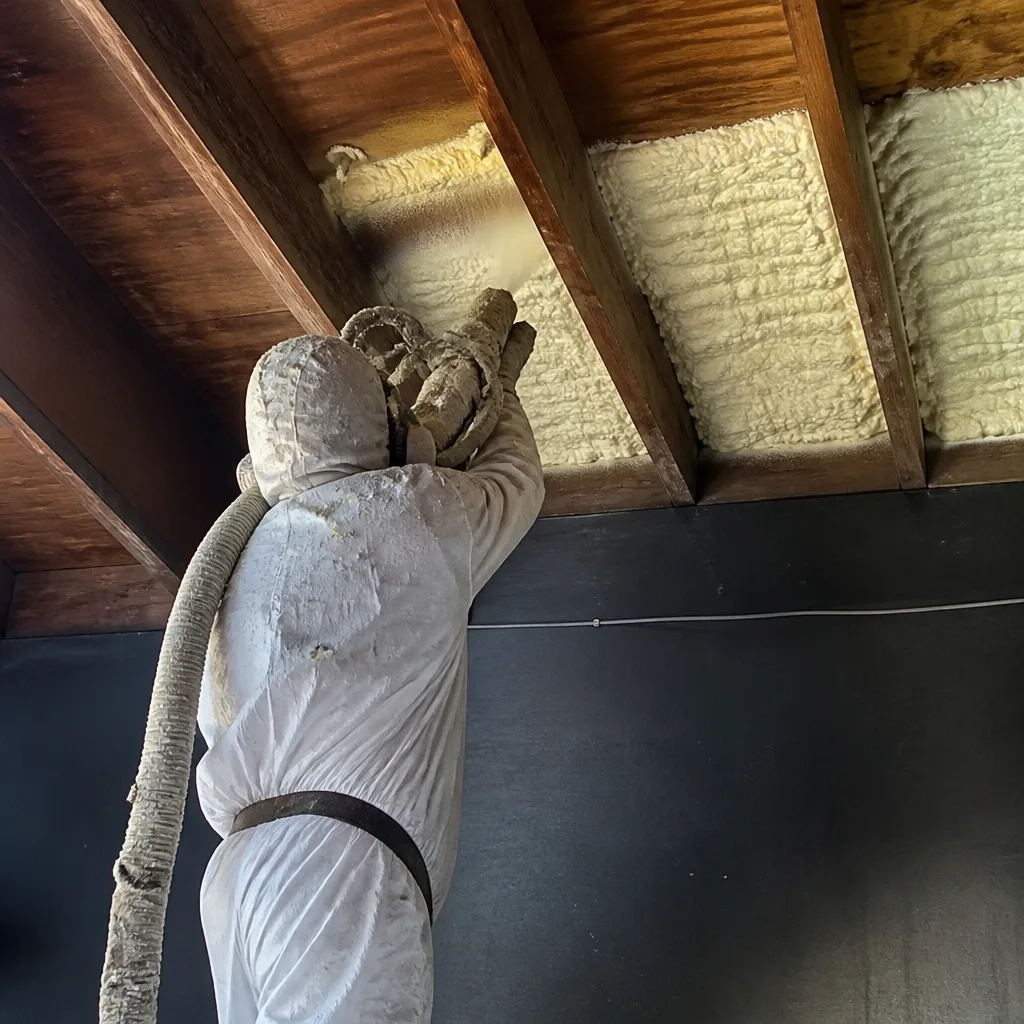
Spray foam works well in Sierra Madre’s hillside homes where crawl spaces and rim joists leak air. Closed-cell foam adds structural strength and resists moisture, which matters in older foundations and against mountain drainage. Open-cell foam suits attic roof decks where you want air sealing with some vapor permeability. We install Icynene and Demilec spray foam, two brands most general insulation contractors don’t carry. Read specifics on our Spray Foam Insulation in Sierra Madre page.
What happens when you call
- 1
A real person answersNo phone trees — you reach a local pro.
- 2
You get an upfront price rangeHonest numbers before anyone is dispatched.
- 3
A background-checked tech heads outLicensed & insured, dispatched right away.
- 4
You approve before work beginsNothing starts until you say go.
Blown In Insulation in Sierra Madre
Blown in insulation is the most practical retrofit for Sierra Madre’s older homes because it reaches wall cavities and attic spaces without opening up walls or disturbing original plaster and lath. Most Craftsman-era homes here were built with empty wall cavities and minimal attic coverage, so dense-packed cellulose or blown fiberglass can be installed through small access holes and then patched cleanly. We regularly work around knob-and-tube wiring and balloon-frame construction that would make batt insulation impractical. For a wider look at this service, see our main Blown In Insulation page.
Cellulose Insulation
Signs you need it
Rooms that stay cold in winter or hot in summer, especially on the second floor of a Craftsman home, often point to settled or missing wall insulation.
What it costs in Sierra Madre
Cellulose wall retrofits in Sierra Madre typically run $1.50 to $3.50 per square foot of covered area, with attic applications on the lower end of that range.
How we do it
We drill small access holes through exterior or interior plaster, dense-pack cellulose into each stud bay, and patch the holes to match surrounding surfaces.
Blown In Attic Insulation
Signs you need it
An attic floor with less than 6 inches of insulation, or old newspaper and sawdust from the 1920s, means the home is losing substantial conditioned air through the ceiling.
What it costs in Sierra Madre
Blown-in attic insulation in Sierra Madre typically costs $1.00 to $2.50 per square foot, including removal of degraded material when needed.
How we do it
We remove failed insulation, air-seal top plates and penetrations, then blow loose-fill fiberglass or cellulose to the depth required for Sierra Madre’s climate zone.
Blown In Cellulose Insulation
Signs you need it
Cold interior walls in winter, drafts near baseboards, and high heating bills in older Sierra Madre homes suggest wall cavities have no effective insulation.
What it costs in Sierra Madre
Dense-packed cellulose wall work in Sierra Madre generally runs $1.50 to $3.50 per square foot; we confirm the cavity condition before quoting.
How we do it
We probe each cavity to confirm framing, then dense-pack cellulose at the right pressure to fill without overstressing plaster walls.
Blown In Fiberglass Insulation
Signs you need it
Patchy attic coverage, high summer cooling bills, and rooms over the garage that never hold temperature are common cues in Sierra Madre’s Ranch homes.
What it costs in Sierra Madre
Blown-in fiberglass attic insulation in Sierra Madre typically runs $1.00 to $2.50 per square foot, depending on depth and whether old material must go first.
How we do it
We air-seal the attic floor, install baffles where needed, and blow fiberglass to a uniform depth across the full attic.
Loose Fill Insulation
Signs you need it
Uneven attic coverage, settled material compacted to a thin layer, and temperature swings between rooms indicate loose fill has failed or was never adequate.
What it costs in Sierra Madre
Loose fill installation in Sierra Madre runs $1.00 to $3.00 per square foot, with the final number tied to depth and attic access.
How we do it
We choose the right loose-fill material for the space, then blow it to a consistent depth after confirming ventilation and air sealing.
What Blown In Insulation Costs in Sierra Madre
| Item | Typical range in Sierra Madre |
|---|---|
| Blown in attic insulation | $1.00 – $2.50 per sq ft |
| Cellulose wall retrofit | $1.50 – $3.50 per sq ft |
| Loose fill insulation | $1.00 – $3.00 per sq ft |
These ranges cover material and labor for typical Sierra Madre homes. Attic access, old insulation removal, and wall cavity conditions can shift the final number, and we always confirm the quote before starting work.
How long does blown in insulation last in Sierra Madre’s heat?
Cellulose and fiberglass both hold up well for decades when installed correctly, and Sierra Madre’s dry climate actually helps by limiting moisture breakdown. The real risk in older homes is settlement over 30 to 40 years, which we correct by topping up or replacing. Call (833) 390-3099 to have your attic checked.
Can you blow insulation into walls without removing the plaster?
Yes. We drill small access holes through exterior siding or interior plaster, dense-pack the material into each cavity, and patch the holes to match. Most Sierra Madre Craftsman homes are dense-packed this way without disturbing original wall finishes.
Brands We Service in Sierra Madre
Fountain Valley Insulation carries Icynene and Demilec spray foam, GreenFiber recycled-content cellulose, and Owens Corning fiberglass. We stock materials for all of them and can typically schedule Sierra Madre jobs within days, not weeks. Visit our brands page to see the full lineup.
Pricing for Insulation Company in Sierra Madre, CA
| Service | Typical range in Sierra Madre |
|---|---|
| Blown in attic insulation | $1.00 – $2.50 per sq ft |
| Cellulose wall retrofit | $1.50 – $3.50 per sq ft |
| Blown in cellulose insulation | $1.50 – $3.50 per sq ft |
| Blown in fiberglass insulation | $1.00 – $2.50 per sq ft |
| Loose fill insulation | $1.00 – $3.00 per sq ft |
| Attic insulation upgrade | $1.00 – $2.50 per sq ft |
| Spray foam air sealing | $0.50 – $2.00 per board foot |
Older Sierra Madre homes with original sawdust or newspaper insulation in the attic will need removal before new material goes in, which adds to the total. Steep-roof attics and tight hillside access can also push costs up. We quote upfront, and the number we give you is the number you pay.
Neighborhoods We Serve in Sierra Madre
We work throughout Sierra Madre and the surrounding foothill streets, including the hillside areas above Baldwin Avenue and the flatter blocks near the downtown core. Our crews know the access constraints of older lots and steep driveways. Typical response time for a Sierra Madre estimate is within 24 to 48 hours.
- Downtown Sierra Madre
- Canyon areas above Baldwin
- East Sierra Madre near Mary’s Market
- North Sierra Madre foothill streets
- West Sierra Madre near the Pasadena line
Service Area – Cities Near Sierra Madre
Fountain Valley Insulation also serves homeowners in nearby San Gabriel Valley communities, including Arcadia, CA, East Pasadena, CA, Mayflower Village, CA, and Monrovia, CA. If you’re just outside Sierra Madre proper, call us and we’ll confirm coverage.
Serving Sierra Madre, CA — Our Local Coverage Area
We’re based in the Sierra Madre area and know this community well. Use the map below to see our service coverage — if you’re nearby, we can almost certainly help.
FAQs About Insulation Company in Sierra Madre
Most estimates in Sierra Madre are scheduled within 24 to 48 hours, and installation can usually begin within a week depending on the scope. Emergency air sealing or post-storm insulation checks can sometimes be scheduled sooner. Call (833) 390-3099 and we’ll give you a real date.
Most insulation retrofits in Sierra Madre don’t require a permit because they don’t change the home’s structure or footprint. The exception is when spray foam or removal work triggers Title 24 energy compliance on a larger remodel. We’ll confirm the requirements for your specific project before starting.
Yes. Knob-and-tube wiring is common in Sierra Madre’s Craftsman bungalows, and we plan every retrofit around it. For wall cavity work, we inspect the wiring path before drilling, and for attics we keep insulation clear of live conductors. We’ve done this in dozens of pre-1930 homes across the city.
Ready to fix the comfort problem in your Sierra Madre home? Call Fountain Valley Insulation at (833) 390-3099 for a free estimate. We’ll match the right material and method to your home, and tell you exactly what it costs before any work begins.
What happens when you call
- 1A real person answersNo phone trees — talk to a local insulation pro.
- 2You get an upfront price rangeHonest numbers before anyone is dispatched. No surprises.
- 3A background-checked tech heads outLicensed & insured, typically within the hour.
- 4You approve before work beginsNothing starts until you say go.
What Sierra Madre Customers Say
"Installed baffles at the soffits so the new insulation didn't block the ventilation, which the previous contractor apparently never considered."
— Hector Vargas"Plastic laid from the front door to the attic hatch and they vacuumed the hallway afterward."
— David Tran"Attic was at maybe R-11 from the 1970s and blown in over the top would have just buried the problem. They removed the old material, air sealed the top plates and penetrations first, then blew in to R-49. The upstairs is a completely different house in August."
— Justin Chen