


Fast, Reliable Attic Insulation Across South El Monte
If your South El Monte home was built before 1980, there’s a good chance your attic insulation has quietly failed, compressed to a few thin inches, or contains material that should never be disturbed without testing. Attic insulation in South El Monte isn’t a one-size job. Older stucco tract homes off Rush Street, Michael Hunt Drive, and Lidcombe Avenue often carry original fiberglass or cellulose that’s lost most of its R-value, and a surprising number have vermiculite or asbestos-containing duct wrap hiding under the fluff. We’re Fountain Valley Insulation, and we approach every South El Monte attic with a test-first mindset before we add a single batt. Call (833) 390-3099 for a free estimate and an honest read of what your attic actually needs.
Why Fountain Valley Insulation Is South El Monte’s Preferred Attic Insulation Company
South El Monte homeowners call us because we match the material to the home, not the other way around. The housing stock here is mostly 1950s to 1970s single-story stucco with shallow attic access and original framing that doesn’t always accommodate modern spray foam rigs. We know what fits those spaces. Our crews work throughout 91733 regularly, from the neighborhoods near New Temple Park to the streets south of the 60 Freeway, and we’re familiar with the small attics, low clearances, and settled insulation patterns common to this housing era.
Nate Calloway leads our team with a straightforward approach: identify what’s in the attic first, test when there’s any doubt, then recommend the right material from our lineup of eight brands. That means blown-in fiberglass or cellulose where it works, Rockwool where fire or moisture resistance matters, and Icynene or Demilec spray foam only where the space and budget justify it. South El Monte residents get the same multi-brand honesty as every other city we serve, and we carry the parts and materials to finish most jobs in a single visit.
Attic Mold Removal in South El Monte
Attic mold removal in South El Monte starts with understanding why the mold grew in the first place. In older homes with minimal attic ventilation, hot summer air gets trapped against the roof sheathing, condensation forms in cooler months, and mold takes hold on the underside of the decking. Simply spraying bleach on the surface doesn’t fix it. The job involves removing mold-contaminated insulation where necessary, treating affected framing, and correcting the ventilation or air-sealing problems that caused the moisture in the first place. For a typical South El Monte single-story attic, mold removal with insulation replacement runs $2,200 to $5,800 depending on square footage and how far the growth has spread.
When Testing Comes First
If your South El Monte home predates 1980 and you see mold near old duct wrap or suspect vermiculite in the attic, we don’t touch anything until materials are tested. Asbestos-containing duct wrap is common in this city’s older homes, and the last thing you want is mold remediation that launches asbestos fibers into the air. Testing adds a few days but keeps everyone safe.
What Removal Typically Unlocks
Once mold is handled and old insulation stripped, most homeowners realize the attic was never properly air-sealed. We find gaps around top plates, plumbing penetrations, and the attic hatch on nearly every South El Monte house we open. Sealing those before re-insulating makes a larger difference in summer comfort than many people expect.
Attic Insulation Removal in South El Monte
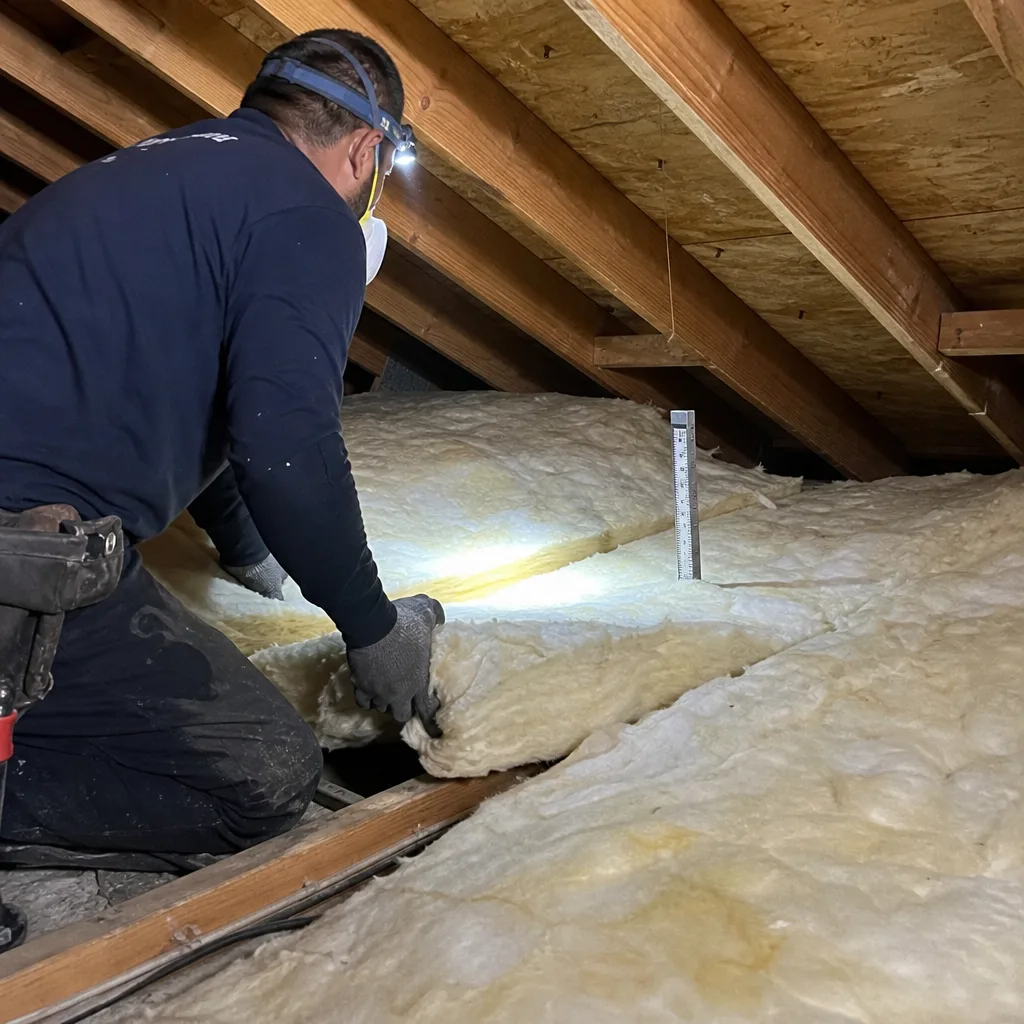
Attic insulation removal in South El Monte is often the necessary first step before any upgrade, especially on pre-1980 homes where the original material has compressed, settled, or been contaminated by rodents, water, or decades of dust. We remove old fiberglass, cellulose, and the occasional vermiculite layer using commercial vacuums that keep the rest of your home clean. After removal, the attic gets inspected for air leaks, damaged wiring, and any structural issues before new material goes in. Typical removal for a 1,000 to 1,500 square-foot South El Monte attic runs $1,800 to $3,600, with vermiculite abatement adding to that figure when testing confirms it’s present.
Hazmat Protocol, Not Panic
Here’s a reality we see on South El Monte jobs that doesn’t show up in generic insulation marketing: original vermiculite and asbestos-containing duct wrap are common finds in this city’s pre-1980 housing stock. Our crews test before removing anything. If asbestos is confirmed, we bring in licensed abatement and only resume the insulation work after the attic is cleared. It’s a slower process, but it’s the right process.
When Remove-and-Replace Beats Top-Up
Sometimes homeowners ask us to simply blow new insulation over the old. For newer homes, that’s often fine. For South El Monte homes where the original layer has gotten wet, been infested, or contains vermiculite, covering it up locks the problem in. Removal and replacement gives you a clean envelope, proper air sealing, and a known R-value from scratch.
Trusted Brands We Service in South El Monte
We install Attic Insulation from eight manufacturers, and for South El Monte attics we typically recommend GreenFiber for blown-in recycled cellulose, CertainTeed for fiberglass batt and blown options, and Icynene or Demilec when spray foam is the right call for the space. Carrying multiple brands means you’re not stuck with whatever’s on the truck. We keep the materials and parts for common South El Monte attic configurations stocked, so most jobs move from estimate to completion within a week. Ask us why we carry Rockwool, spray foam, and recycled fiber, because most contractors carry none of them.
Common Attic Insulation Problems We See in South El Monte Homes
- Settled or compressed original insulation. Homes built in the 1950s through 1970s often started with three to six inches of fiberglass or cellulose that’s now compressed to an inch or two. That thin layer is doing almost nothing against San Gabriel Valley heat.
- Vermiculite and asbestos-containing duct wrap. Pre-1980 South El Monte attics frequently hide vermiculite insulation or asbestos-wrapped ducts. Disturbing either without testing can create airborne hazards, which is why our process starts with testing, not a hose.
- Missing air sealing at top plates and penetrations. The gaps where interior walls meet the attic, plus holes for wiring and plumbing, let conditioned air escape and attic heat pour in. On Santa Ana wind days, these same gaps pull in dust and wildfire smoke regardless of how much insulation sits above them.
- Inadequate attic ventilation. Many original South El Monte attics have minimal or blocked soffit vents. Trapped heat shortens shingle life, raises cooling bills, and can trigger condensation that feeds mold on the roof deck.
Pricing for Attic Insulation in South El Monte, CA
Attic insulation pricing in South El Monte depends on what’s in your attic now, whether testing or removal is required, and what material you choose. For a typical 1,200 square-foot single-story home, an attic insulation top-up with blown-in fiberglass or cellulose runs $1,300 to $2,600. Full removal and replacement, including air sealing, runs $2,800 to $6,000. Attic mold removal with insulation replacement lands between $2,200 and $5,800 depending on extent. If vermiculite is found and abatement is required, that adds $3,000 to $9,000 based on volume and access. The fastest way to know your number is a free estimate. Call (833) 390-3099 and we’ll inspect, test if needed, and quote you a firm price.
We Also Serve Cities Near South El Monte
We regularly run crews into El Monte, Rosemead, North El Monte, and Temple City, plus the neighborhoods immediately surrounding South El Monte. If you’re in one of those ZIP codes or anywhere in the central San Gabriel Valley, same week scheduling is usually available.
Serving South El Monte, CA — Our Local Coverage Area
We’re based in the South El Monte area and know this community well. Use the map below to see our service coverage — if you’re nearby, we can almost certainly help.
FAQs About Attic Insulation in South El Monte
Gray fluffy material in a 1960s South El Monte attic is usually fiberglass, but vermiculite is also present in many of these homes and looks like small pebbles or flakes, not fluff. The only way to know is testing. We do not disturb or cover any suspect material until a lab confirms what it is. Call (833) 390-3099 and we’ll arrange testing before any removal work begins.
For most South El Monte attics, more R-value plus air sealing gives you the better return. Radiant barriers help with radiant heat gain, but the San Gabriel Valley’s hot, dry summers punish leaky attics first. Seal the top plates and penetrations, bring insulation to current depth, and only then consider a radiant barrier if the attic still cooks. We’ll check all of that on a free estimate.
Yes, and the order of operations matters. We contain and remove the old insulation, treat the mold on framing and sheathing, correct the ventilation or air-sealing defect that fed the moisture, and only then install fresh insulation. Skipping any step makes the mold come back. For South El Monte attics with both mold and settled insulation, we quote the job as a single coordinated scope.
Santa Ana winds and wildfire smoke absolutely enter through attic gaps, especially in South El Monte’s older homes where top plates and penetrations were never sealed. Air sealing is the fix. It stops the pressure-driven pull that drags attic air, dust, and smoke into your living space, and it does more for indoor air quality than adding insulation alone. We include air sealing as standard on every attic upgrade.
For South El Monte attics we install from eight brands, and the two most common picks here are GreenFiber blown-in recycled cellulose and CertainTeed blown or batt fiberglass. If the space calls for spray foam, Icynene and Demilec are on the truck. The material should match your home’s age, attic geometry, and budget, and we’ll tell you honestly which one fits.
Written by Nate Calloway, Owner at Fountain Valley Insulation, serving South El Monte and the San Gabriel Valley.